
How European producers can stay ahead with smarter, more flexible and more sustainable packaging choices
The packaging landscape in Europe is evolving quickly as small and medium producers navigate new consumer expectations, supply chain pressures and sustainability standards. As we move into 2026, the industry is undergoing a significant shift toward solutions that are not only beautiful or functional but also efficient, reliable and aligned with real operational needs. From artisan food producers in Italy to herbal brands in Germany and cosmetics labs in France, packaging is becoming a strategic asset rather than an afterthought.
Below are the most influential packaging design trends shaping 2026. Understanding these trends can help producers choose solutions that support stronger branding, smoother production and long term growth.
1. Minimal and clean aesthetics remain dominant
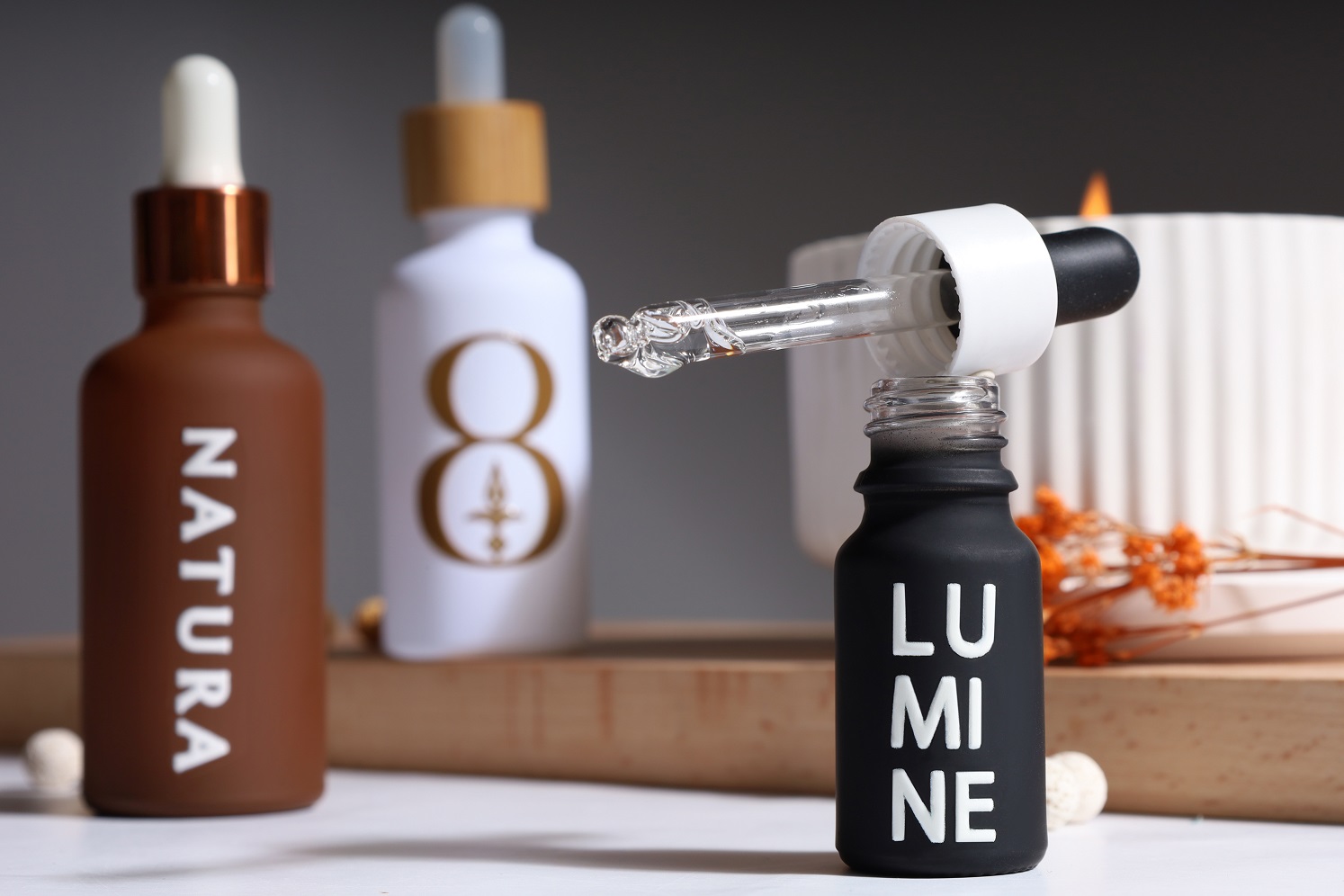
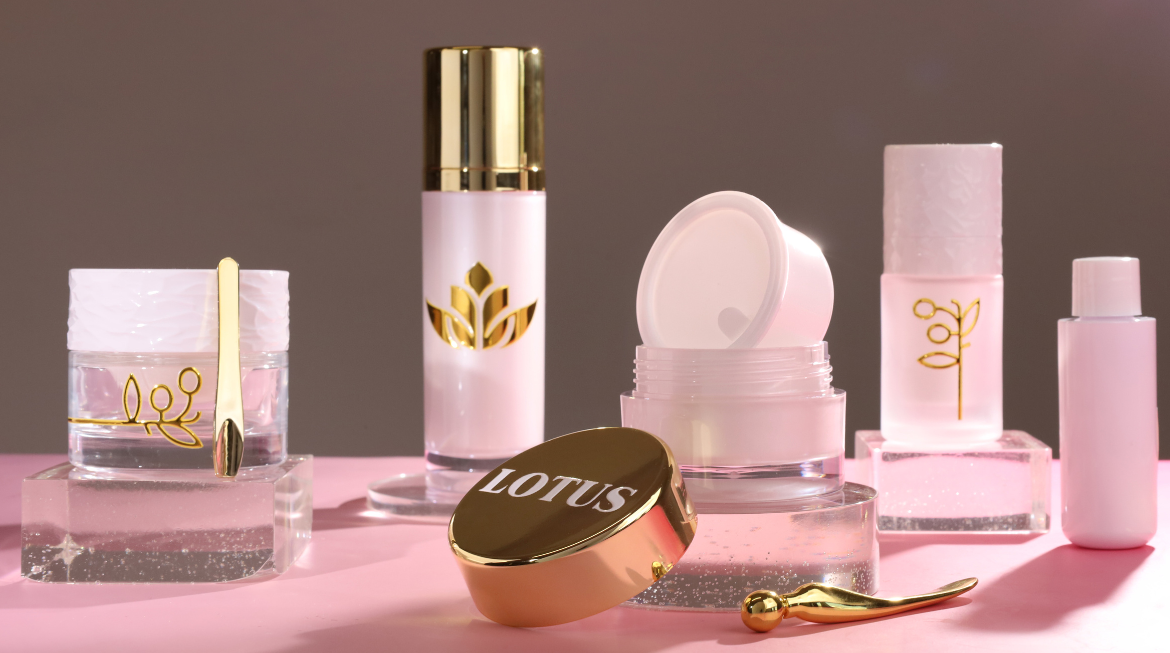
Across food, botanicals, beauty and home fragrance, clean design is now a practical requirement rather than a style choice. Consumers value clarity, authenticity, and transparency in the visual identity of products. Packaging in 2026 reflects this with:
- clear glass jars that highlight natural colors
- simple label designs that focus on essential information
- soft color palettes that communicate purity
- packaging that supports a premium but accessible look
Small and medium brands benefit from this trend because minimal aesthetics allow them to maintain a professional visual identity without unnecessary complexity or cost. The packaging itself acts as a core part of the brand experience, especially in competitive markets like herbal blends, cosmetics and small batch foods.
2. Practicality and ease of use drive design decisions
The European market is asking for solutions that work in real production environments. This trend is especially visible among brands that scale gradually and need packaging that fits both small and medium output. In 2026, practicality becomes a key selection criterion.
Producers prioritize packaging that offers:
- consistent dimensions for automatic filling
- reliable sealing for liquids and oils
- sturdy materials for long distance transport
- intuitive shapes for consumer use
The focus is shifting toward packaging that enhances the entire workflow, from manufacturing to shelf presentation. Jars and bottles that perform predictably under daily production routines gain a clear advantage.
3. Eco conscious packaging moves from trend to standard
Sustainability is no longer an optional feature. European consumers and retailers expect packaging that demonstrates responsibility. In 2026, eco conscious choices evolve beyond being a marketing point and become part of the standard operating model for producers.
The most requested sustainability solutions include:
- recyclable glass
- refillable bottles for cosmetics, oils and home fragrance
- PET with reduced material weight
- long lasting closures that support reuse
Brands that offer refill programs, concentrate formats or extended product life cycles will see increased trust and repeat purchases. Producers that adopt sustainable packaging early gain a stronger competitive position in international markets.
4. Flexibility and low volume ordering shape the landscape for SMB producers
As more brands operate in niche categories such as botanical blends, handcrafted cosmetics or artisanal food production, the need for flexible packaging sourcing becomes essential. This is especially true in France, Italy, Germany, Austria and Romania where small and medium producers form the backbone of many local industries.
In 2026, the most competitive suppliers will be those that offer:
- no minimum order quantities
- fast restocking
- ready to ship availability
- a wide range of codes and formats
This flexibility allows producers to launch new products quickly, test small quantities and avoid the risks associated with large inventory commitments.
5. Multi purpose packaging supports product diversification
Another trend gaining traction is the use of packaging formats that serve multiple product categories. A jar designed for botanicals may also fit herbal teas or artisanal sauces. A cosmetic bottle may be suitable for serums, oils or room sprays with minor adjustments. This versatility supports brand expansion without extensive retooling.
For small and medium producers, multi purpose packaging creates significant operational advantages because it keeps supply chain complexity low while supporting creativity and growth.
Looking Ahead
Packaging in 2026 is defined by clarity, reliability and sustainability. Brands that invest in packaging that performs in real production settings, supports eco conscious values and communicates quality through minimal design will stand out across European markets. The future favors producers who choose packaging that works as a strategic partner in their operations, not simply a container.